
Retirement visas in Thailand: the Non-O, O-A and O-X compared
Thailand's retirement routes for the over-50s — the Non-Immigrant O, O-A and O-X — set against their financial thresholds, health-insurance rules and the annual extension, with dated sources.
By Legal liaison — Suwanvara Law Firm (separate engagement)Published 25 July 20266 min read
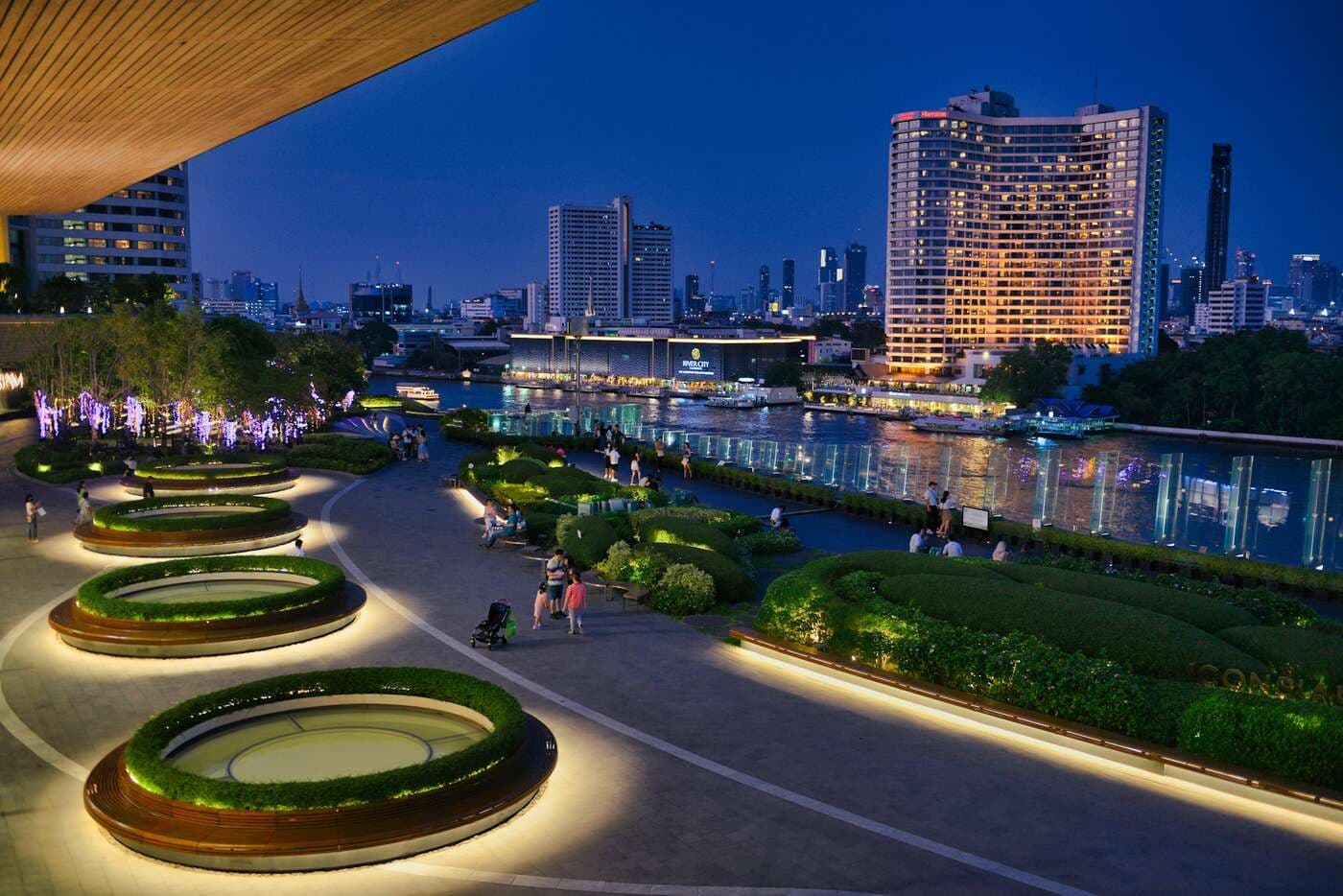
Thailand's retirement visas are for foreigners aged 50 or over, and they come in three forms — the Non-Immigrant O, the O-A and the O-X — that differ in where you apply, how long they last, and whether health insurance is compulsory. This article sets out the financial thresholds, the insurance rules and the annual mechanics so you can see which route fits before you take advice on it.
Owning a Bangkok condominium does not, by itself, give you any right to live in Thailand — the two are separate questions, set out in does buying a condominium give the right to live in Thailand?. A retirement visa is one of the routes that does. This is general information, not immigration advice, and immigration rules and figures change often — confirm the current requirements with us before you rely on anything here.
Which retirement visa is which — Non-O, O-A or O-X?
The three routes share an age floor of 50 but sit at different points of commitment. They are separate visas with separate rules, and the right one depends on where you are applying from, how long a footing you want, and your nationality.
- Non-Immigrant O (retirement) — the everyday route. A 90-day Non-O is obtained abroad, or the status is converted inside Thailand, and then extended one year at a time on retirement grounds at the Immigration office for your address. Health insurance is not, at present, a statutory condition of the in-country extension, though some offices ask for cover.
- Non-Immigrant O-A — a one-year long-stay visa applied for from your country of nationality or residence. On top of the financial test it requires qualifying health insurance, a criminal-record clearance and a medical certificate. It, too, can then be extended year by year in Thailand.
- Non-Immigrant O-X — a ten-year visa (five years, renewable for a further five) open only to nationals of fourteen listed countries, with substantial funds that must stay locked in a Thai bank and qualifying health insurance throughout.
How much money do you need for a retirement extension?
For the ordinary retirement extension you show either THB 800,000 in a Thai bank or income of THB 65,000 a month. The Immigration Bureau's criteria, set under Royal Thai Police Order No. 327/2557 (2014), let you qualify by a THB 800,000 bank deposit, a monthly income of at least THB 65,000, or a combination of deposit and annual income together totalling THB 800,000 a year.
The deposit is not simply shown on the day. It must be seasoned in a Thai bank account — held for a set period before the application and kept above a floor afterwards — and the seasoning periods differ between a first application and a renewal and are applied strictly by each office. The same THB 800,000 / THB 65,000 test underpins the O-A visa; the O-X sets a far higher bar, described below.
When is health insurance required?
Health insurance is compulsory for the O-A and O-X visas and is currently not a statutory requirement of the in-country Non-O retirement extension — but that line moves, so treat cover as advisable in every case.
O-A applicants must hold health insurance recognised by the Thai authorities. The published requirement is medical coverage of at least THB 3,000,000 (about USD 100,000), covering both out-patient and in-patient treatment, evidenced on the authorities' insurance certificate; it applies to first applications and to renewals. O-X applicants must hold qualifying Thai health insurance for the duration of stay, evidenced through the Thai General Insurance Association long-stay scheme; the published minimums have been out-patient cover of at least THB 40,000 and in-patient cover of at least THB 400,000, and the insurance figures for long-stay visas have been revised and enforced more strictly in recent years. Confirm the coverage in force for your route before you buy a policy.
What is the O-X visa, and who can get it?
The O-X is a ten-year retirement visa, but only for nationals of fourteen countries and only with substantial funds locked in Thailand. It suits a retiree who wants a long, stable footing and can leave a large sum in a Thai account.
- Eligible nationalities: Japan, Australia, Denmark, Finland, France, Germany, Italy, the Netherlands, Norway, Sweden, Switzerland, the United Kingdom, Canada and the United States.
- Financial requirement: a deposit of at least THB 3,000,000 in a Thai bank, or a deposit of at least THB 1,800,000 plus annual income of at least THB 1,200,000.
- The money must stay in the Thai account in full for at least the first year, and be kept at no less than THB 1,500,000 thereafter — it is a maintained balance, not a one-day showing.
- Validity: five years from first entry, extendable for a further five, for a total of ten, with the health-insurance, criminal-record and medical conditions maintained throughout.
How does the annual extension actually work?
A retirement visa keeps you here only if you also meet the routine reporting duties. The Non-O and O-A stays run a year at a time: you apply near the end of the permitted stay, and the Immigration Bureau grants a further year against the criteria then in force — the grant is discretionary, not automatic, and Immigration may give a short under-consideration period first.
Two duties keep the stay alive. If you leave Thailand you need a re-entry permit before you go, or the extension is cancelled on departure. And you must report your current address to Immigration every 90 days, while the owner or possessor of the place you stay files the TM30 address notification — the receipt of which is often asked for at an extension.
Our firm prepares and files these extensions and reminds you of the reporting cycle — see retirement and marriage extensions for what we do and do not do, and staying compliant for 90-day reporting, re-entry permits and TM30 in detail. Whether an extension is granted rests with the Immigration Bureau; we prepare and file, we do not promise the outcome.
What this article does not do
This article does not, and cannot, tell you which visa you will be granted. It is general information about the retirement routes, not advice on your particular circumstances, and it does not guarantee any outcome — approval rests with the Immigration Bureau and the consular authorities and is discretionary.
Immigration figures, seasoning periods and insurance thresholds change and vary between offices; confirm the current requirements with us before you act. A matter is taken forward only under a separate engagement. In case of any discrepancy between language versions, the English version prevails.
Sources
- Immigration Bureau — extension of stay based on retirement (Royal Thai Police Order No. 327/2557 (2014)) (checked 2026-07-25)
- Royal Thai Consulate-General, Chicago — Non-Immigrant Long Stay Visa (O-A) / (O-X), health insurance requirement effective 1 October 2021 (checked 2026-07-25)
- Royal Thai Embassy, Oslo — Non-Immigrant Visa O-X (Long Stay 10 years) (checked 2026-07-25)
- Thai General Insurance Association — Long-Stay health-insurance scheme for O-A / O-X visas (checked 2026-07-25)
This article is general information for foreign buyers, not legal advice. Legal review is available through Suwanvara Law Firm under a separate engagement.
This guide is general information for foreign buyers, not legal advice. Rules, rates and procedures change and individual situations differ. Legal review available through Suwanvara Law Firm under a separate engagement.
More in this category
Legal insight
Does buying a condominium give you the right to live in Thailand?
No — a Thai condominium confers ownership of the unit, not a visa or the right to stay. Ownership and immigration are separate systems; here is why, and the routes that actually grant a long-term stay.
Legal insight
The marriage visa (Non-O) for spouses of Thai nationals: money, documents and the annual extension
The marriage-based Non-Immigrant O is a long-stay permission for a foreigner married to a Thai national, extended year to year by the Immigration Bureau on a financial test — not granted by the marriage itself, and separate from any property your spouse owns.
Legal insight
Working in Thailand: do you need a Non-B visa and a work permit?
Yes — working lawfully in Thailand takes two separate documents from two separate authorities: a visa that permits employment (usually the Non-Immigrant B) and a work permit from the Department of Employment. Here is the sequence, the employer's requirements, and why managing your own rental can raise a work-permit question.
Talk to us
Have a question this raised?
Tell us what you are looking for. A property advisor will reply; legal questions are referred to Suwanvara Law Firm under a separate engagement.
All insights
Insights →Suwanvara Property may receive brokerage compensation when a transaction is completed. Legal services, where requested, are separately provided by Suwanvara Law Firm under a separate engagement. Clients remain free to appoint another legal adviser.