
Living in On Nut and the Sukhumvit line as a foreign owner
On Nut is a BTS station on the Sukhumvit line in eastern Bangkok, at the meeting point of the Khlong Toei, Watthana and Phra Khanong districts. Here is what the area is like, how the line works, who lives there, and the residences we list along it — with an honest note that owning a condominium here does not, by itself, give you the right to live in Thailand.
By Property advisory teamPublished 25 July 20265 min read
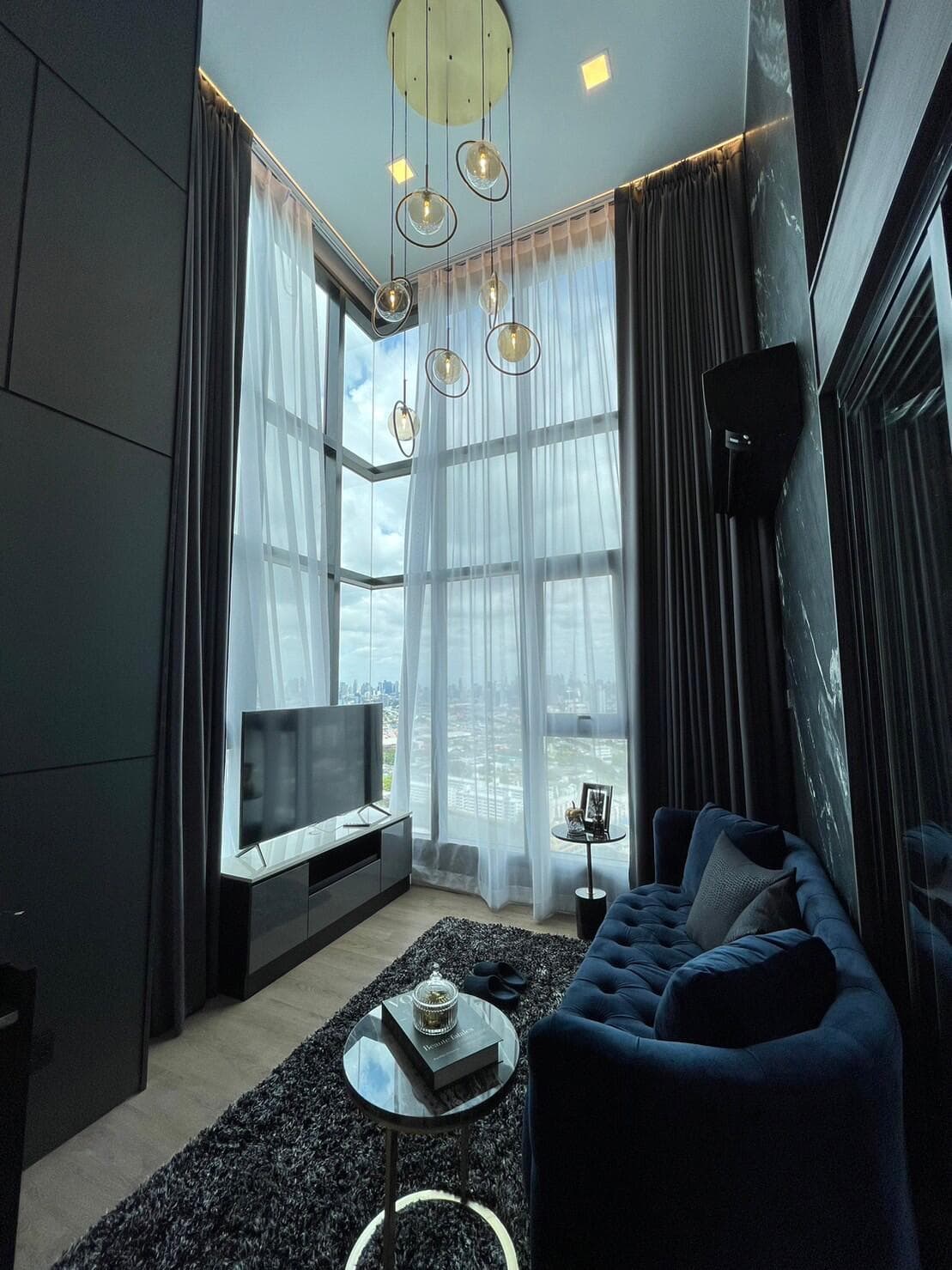
Where is On Nut, and what is the Sukhumvit line?
On Nut is a BTS Skytrain station, code E9, on the Sukhumvit line in eastern Bangkok, sitting at the tripoint of the Khlong Toei, Watthana and Phra Khanong districts. The Sukhumvit line first opened on 5 December 1999, and On Nut was its eastern terminus until the 5.2 km extension to Bearing opened in 2011; the system is operated by Bangkok Mass Transit System PCL (BTSC) [BTS Skytrain history; Wikipedia, "On Nut BTS station" — accessed 25 July 2026]. In practical terms the line threads north to south through the heart of the city — Siam, Asok, Phrom Phong, Thong Lo — before reaching On Nut and continuing to the outer eastern suburbs, which is why an address here still counts as "on the line."
What is the district like to live in?
On Nut is a dense, walkable stretch of Sukhumvit Road where fresh markets, street food, hypermarkets and mid-rise condominiums sit side by side. It reads less polished than the premium core around Phrom Phong and Thong Lo, and that is much of its appeal: everyday shops, community malls and local eateries at street level, with the BTS overhead. It is a genuine residential neighbourhood rather than a nightlife or embassy quarter, and the ground floor of daily life — groceries, pharmacies, coffee, laundry — is close at hand.
Who lives around On Nut?
On Nut draws a mix of Thai residents and international residents, and the pattern is driven by its position on the line rather than by any single community. Because it offers a direct, interchange-free ride into central Sukhumvit while sitting a few stops beyond the most expensive districts, it tends to attract younger professionals and longer-staying foreign residents who want transit access without central-Sukhumvit prices. We do not publish rent, price, population or safety figures we cannot stand behind; the point to take from this section is the type of location, not a statistic.
How good is the transport access?
Transport is the reason most owners choose On Nut: it sits directly on the BTS Sukhumvit line (E9), so Asok, Phrom Phong and Siam are a single, interchange-free ride away. The nearby Yellow line monorail — its Si Nut station is close to the On Nut Road area — adds a north-south connection out toward Samrong and Lat Phrao, and BTS interchanges downtown link on to the MRT and the Airport Rail Link for Suvarnabhumi. For a foreign owner who does not drive in Bangkok, that direct line is often worth more than a larger unit further from a station.
Which of our listed residences are on this part of the line?
Two of the residences we currently list sit in the On Nut area, and both are drawn from real stock rather than illustration.
- Modiz Sukhumvit 50 — Phra Khanong district, developed by AssetWise, with BTS On Nut as its cited nearest station (about 1.4 km per the developer's figure). Within roughly a kilometre, mapped points of interest include a Lotus's hypermarket, the Century The Movie Plaza mall, On Nut Fresh Market and Bangkok Prep international school [OpenStreetMap via our project page; distances approximate, straight-line, data fetched 24 July 2026].
- Atmoz Oasis Onnut — Suan Luang district, off the On Nut Road corridor, with the Yellow line Si Nut station nearby and Pickadaily Bangkok Mall among the mapped amenities [same source and date].
Availability, pricing, foreign-ownership position and transfer conditions on any specific unit are subject to confirmation — publication here is not a guarantee of any of them.
Can a foreigner buy here — and does it let me live in Thailand?
A foreigner can own a condominium unit in this area on a freehold basis, provided the purchase stays within the building's foreign-ownership allowance — under the Condominium Act B.E. 2522 (1979), foreigners may collectively hold up to 49% of the total floor area of the units in a registered condominium [Condominium Act B.E. 2522, section 19 bis]. But owning the unit does not, by itself, give you any right to live in Thailand. Residence is a separate question of immigration status: the routes that actually let you stay long-term — the LTR visa, the Thailand Privilege programme, retirement and other categories — are granted under immigration rules, not by a title deed. We correct this point often because it is one of the most common misunderstandings among first-time buyers.
If long-stay status matters to you, read our guide to whether a condominium gives residency and the visa and residency service, and see the foreign buyer guide for how the 49% quota is confirmed before you commit.
This article is general information for foreign buyers, not legal, tax or immigration advice, and every situation is different. Immigration and tax rules change — confirm the current position with us before acting. Legal services, where you want them, are provided separately by Suwanvara Law Firm under a separate engagement; property brokerage and legal work are never bundled, and you remain free to appoint another adviser.
Sources: BTS Skytrain corporate history (bts.co.th) and Wikipedia, "On Nut BTS station", accessed 25 July 2026; Condominium Act B.E. 2522 (1979), section 19 bis; location and amenity data from OpenStreetMap contributors (ODbL 1.0) via our project pages, fetched 24 July 2026, distances approximate and straight-line. In case of any discrepancy between language versions, the English version prevails. / กรณีข้อความหลายภาษาไม่ตรงกัน ให้ยึดฉบับภาษาอังกฤษเป็นหลัก / 如各语言版本存在差异,以英文版本为准。
This guide is general information for foreign buyers, not legal advice. Rules, rates and procedures change and individual situations differ. Legal review available through Suwanvara Law Firm under a separate engagement.
More in this category
Buyer guide
How to buy a Bangkok condominium without flying to Thailand
You can complete a Bangkok condominium purchase from abroad: video viewing, an inspection we attend for you, remote contract review, a legalised power of attorney and funds remitted the compliant way. Here is the honest version — including what still needs you in person.
Buyer guide
Currency and timing: sending your purchase funds to Thailand
Why the money must reach Thailand from abroad in foreign currency, why an app that pays out baht locally may not produce the evidence the Land Department needs, and why the timing of the exchange is your decision — not ours.
Buyer guide
Transfer day at the Land Office: what actually happens
The day ownership of a Thai condominium changes hands is a single appointment at the Land Office: documents are checked, the price is registered, the fees and taxes are paid over the counter, and a new owner's name is entered on the title. Here is what to bring, what the FET form is for, what is paid on the day, and how a representative can attend for you.
Talk to us
Have a question this raised?
Tell us what you are looking for. A property advisor will reply; legal questions are referred to Suwanvara Law Firm under a separate engagement.
All insights
Insights →Suwanvara Property may receive brokerage compensation when a transaction is completed. Legal services, where requested, are separately provided by Suwanvara Law Firm under a separate engagement. Clients remain free to appoint another legal adviser.